
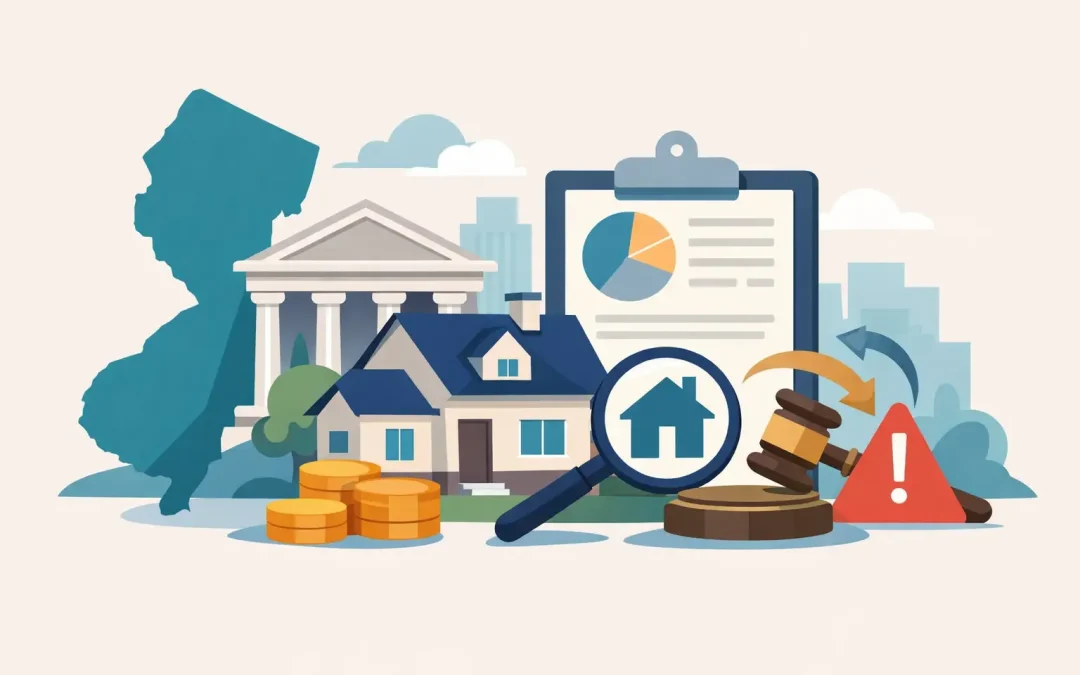
A tax lien can turn a missed municipal bill into a serious threat to your home, business property, or real estate investment. This tax lien guide explains how the process generally works in New Jersey, what a tax sale certificate means, and when prompt legal advice may help protect your property rights.
For many owners, the first surprise is that the original unpaid bill may be relatively modest. The larger concern is what follows: interest, penalties, a tax sale, and eventually a foreclosure action if the matter remains unresolved. The right response depends on the property, the amount due, the stage of the process, and whether there are related mortgage, title, estate, or bankruptcy issues.
What Is a Tax Lien?
A tax lien is a legal claim against property arising from unpaid taxes or certain municipal charges. In New Jersey, unpaid property taxes are commonly the source of these liens, though delinquent water, sewer, and other municipal charges can also lead to a tax sale depending on the circumstances and local procedures.
A lien does not immediately transfer ownership. It creates a claim that must be addressed before the property can usually be sold or refinanced with clear title. Because municipal tax liens carry significant legal priority, they can create problems even when a property has a mortgage or other recorded liens.
It is also helpful to distinguish a local property tax lien from a federal tax lien. A federal tax lien generally involves unpaid federal taxes owed to the Internal Revenue Service. A municipal tax lien involves local property-related obligations. Both can affect title and financial decisions, but they follow different rules and procedures.
How New Jersey Tax Sales Work
When eligible municipal charges remain unpaid, a municipality may sell a tax sale certificate at a public tax sale. The certificate represents the purchaser’s interest in the unpaid charges and the right to collect the amount due, plus allowable interest and costs. It is not a deed to the property.
The certificate purchaser may be a private investor, a company, or another interested party. After the sale, the property owner generally retains the right to redeem the certificate by paying the required amount through the municipal tax collector. Redemption typically includes the delinquent amount, interest, and permitted costs. The exact figures and procedures should be confirmed directly with the municipality and reviewed carefully.
A tax sale certificate can remain a problem for years if it is not redeemed. Certificate holders may also pay later municipal charges to protect their position, increasing the amount required to resolve the lien. That is one reason waiting until a sale or refinance is pending can make a manageable issue much harder to solve.
A Tax Sale Is Not the Same as Foreclosure
This distinction is critical. At the tax sale, the municipality sells the certificate, not the property itself. Foreclosure is a separate court process through which a certificate holder may seek to cut off the owner’s right of redemption and obtain title.
Under New Jersey law, a certificate holder generally cannot start foreclosure immediately after the tax sale. However, once the applicable waiting period has passed, inaction can become dangerous. Owners may often retain redemption rights until final judgment is entered, but relying on the last possible moment is risky. Court deadlines, service issues, added costs, and competing claims can complicate the situation quickly.
If you receive foreclosure papers involving a tax sale certificate, do not assume a payment plan with the original municipality will resolve the case. The certificate may now be held by a private party, and the court matter requires focused attention.
Warning Signs That Call for Quick Action
A delinquency notice is the best time to investigate the issue. Owners should not wait for a tax sale notice, a letter from an investor, or a foreclosure complaint before gathering information. Early action can preserve more options and reduce costs.
Pay especially close attention if you receive notices stating that a tax sale certificate was issued, that a lien holder has paid subsequent taxes, or that foreclosure proceedings have begun. The same is true if you are trying to sell, refinance, transfer inherited property, or resolve a divorce-related property division. A title search can reveal a tax lien that no one involved had fully understood.
For property owned by a deceased relative, the situation may be especially time-sensitive. The heirs may be living in or maintaining the home without legal authority to sell or refinance it. Estate administration, title issues, and tax lien redemption may need to be handled together rather than as separate problems.
Practical Steps When You Discover a Tax Lien
Start by confirming the facts. Request the current redemption amount and determine whether the lien remains with the municipality or has been sold to a certificate holder. Ask for the tax sale certificate number, the date of sale, the amounts included, and whether subsequent charges have been added.
Next, review your wider property picture. Is there a mortgage? Is a closing scheduled? Are you facing other judgments, code enforcement issues, or estate questions? A tax lien may be the most urgent issue, but resolving it without understanding the rest of the title can create new obstacles later.
Then consider your realistic resolution path. In some cases, the owner can redeem the certificate in full. In others, refinancing, a sale, a negotiated payoff, or a broader foreclosure defense strategy may be necessary. If you have a hardship or cash-flow problem, contact the municipal tax office promptly to learn whether payment options are available before additional enforcement steps occur. Availability and terms vary by municipality.
Keep copies of every notice, receipt, tax bill, court filing, and communication. Oral conversations can be useful, but written records are essential when you need to verify balances, deadlines, or payment history.
Tax Liens During a Sale or Refinance
Tax liens rarely disappear simply because a buyer or lender is ready to move forward. A title company will usually require the lien to be resolved before issuing clear title or closing a loan. The closing process may provide a source of funds for redemption, but only if the parties identify the lien early enough and structure the transaction properly.
For a seller, the key question is whether sale proceeds will cover the redemption amount, mortgage payoff, closing costs, and any other liens. For a buyer, the issue is whether the contract, title work, and closing instructions adequately protect against inheriting an unresolved title problem. Investors should be particularly cautious about purchasing distressed property based on a public record search alone.
A tax sale certificate may have priority over other interests, but priority questions can become complicated. Bankruptcy filings, federal liens, mortgages, municipal claims, and recorded judgments can all affect the analysis. Do not make a major property decision based solely on a balance shown on a tax bill.
Can a Tax Lien Be Negotiated?
It depends. The municipality may have limited flexibility because property taxes and related charges are governed by law. Once a certificate has been sold, the holder’s statutory rights, the redemption amount, and the timing of the case also shape what can be negotiated.
That does not mean there are no options. A proposed sale may create leverage to reach a workable payoff. An error in the tax sale process, questions about notice, ownership disputes, or a pending estate matter may require closer review. The objective is not to delay for its own sake. It is to identify a lawful, practical path that protects your property interest or allows you to make an informed decision about moving on.
When to Speak With a New Jersey Real Estate Attorney
Legal guidance is especially valuable when a foreclosure complaint has been filed, when the property is inherited or jointly owned, when a sale or refinance is at risk, or when you are unsure who owns the tax sale certificate. It can also help when the lien is only one part of a larger financial or title issue.
An attorney can review the tax sale records, explain the relevant deadlines, coordinate with a title company or lender, and assess available strategies in light of the property’s full legal history. At Scipio Law, that work is approached with the practical goal clients need most: a clear understanding of their options and a plan for the next step.
Frequently Asked Questions About Tax Liens
Will paying my current property taxes remove an old tax lien?
Not necessarily. If a tax sale certificate was issued for earlier delinquent charges, you generally need to redeem that certificate separately. Current taxes may prevent new delinquency, but they do not automatically eliminate the existing lien.
Can I lose my home over a tax lien?
Potentially, yes. A tax sale certificate holder may pursue foreclosure after the required legal period and process. Loss of ownership is not immediate after a tax sale, but the risk becomes more serious as deadlines pass.
Can I sell a property with a tax lien?
Often, yes, if the lien is paid or redeemed through the closing. Whether the sale is feasible depends on the purchase price, total payoff amounts, timing, and the condition of title.
A tax lien notice deserves prompt attention, not panic. The earlier you verify the balance, identify the certificate holder, and understand the deadlines, the more control you are likely to have over the outcome.
Recent Comments